The goal is not to wait for discomfort. A good sock reduces movement inside the shoe, spreads pressure, and keeps fabric smooth under stress.
Notice the first signals
A hot spot is a warning. It can feel like warmth under the forefoot, a small rub at the heel, or pressure where the shoe bends. Fixing the cause early is easier than recovering after a blister forms.
Reduce movement inside the shoe
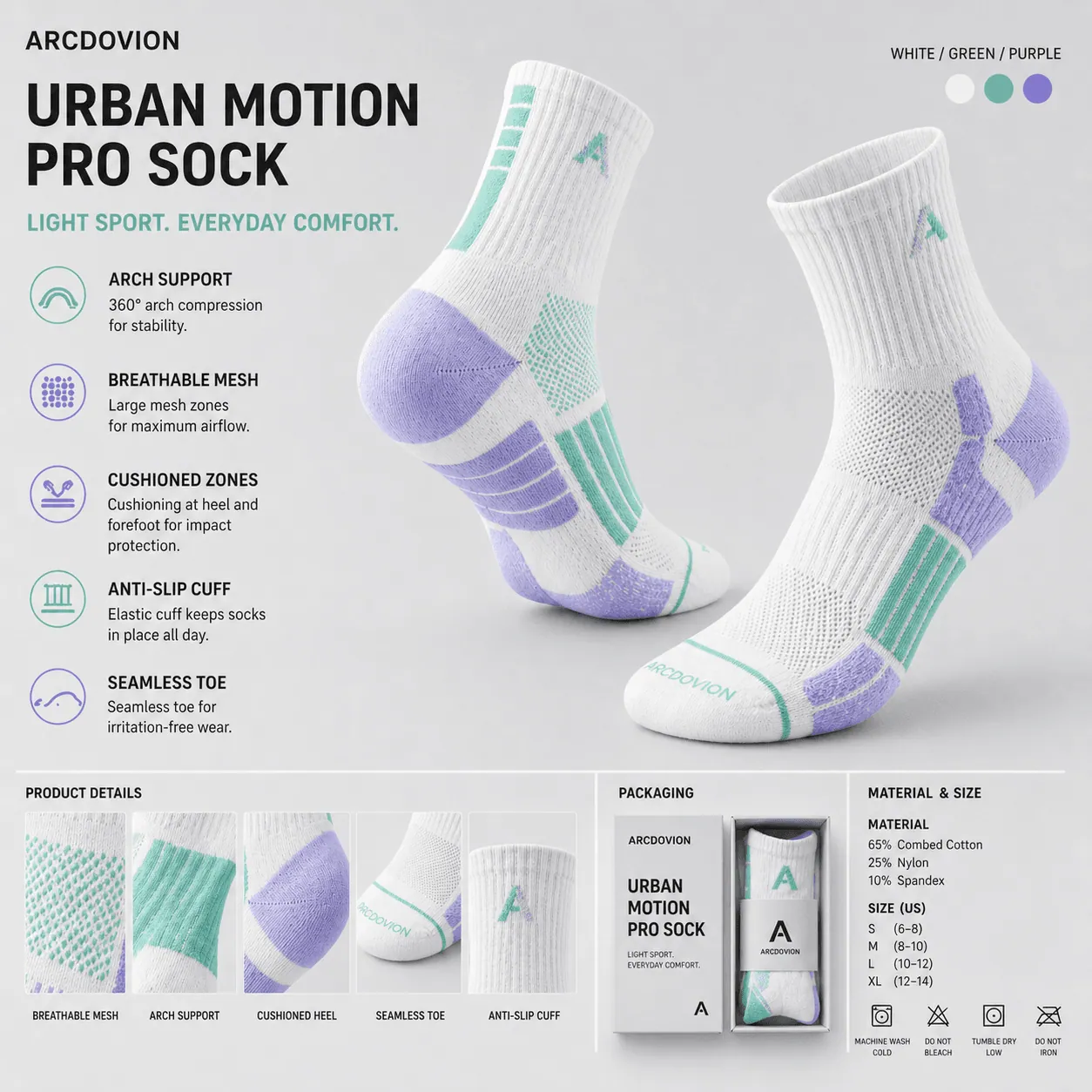
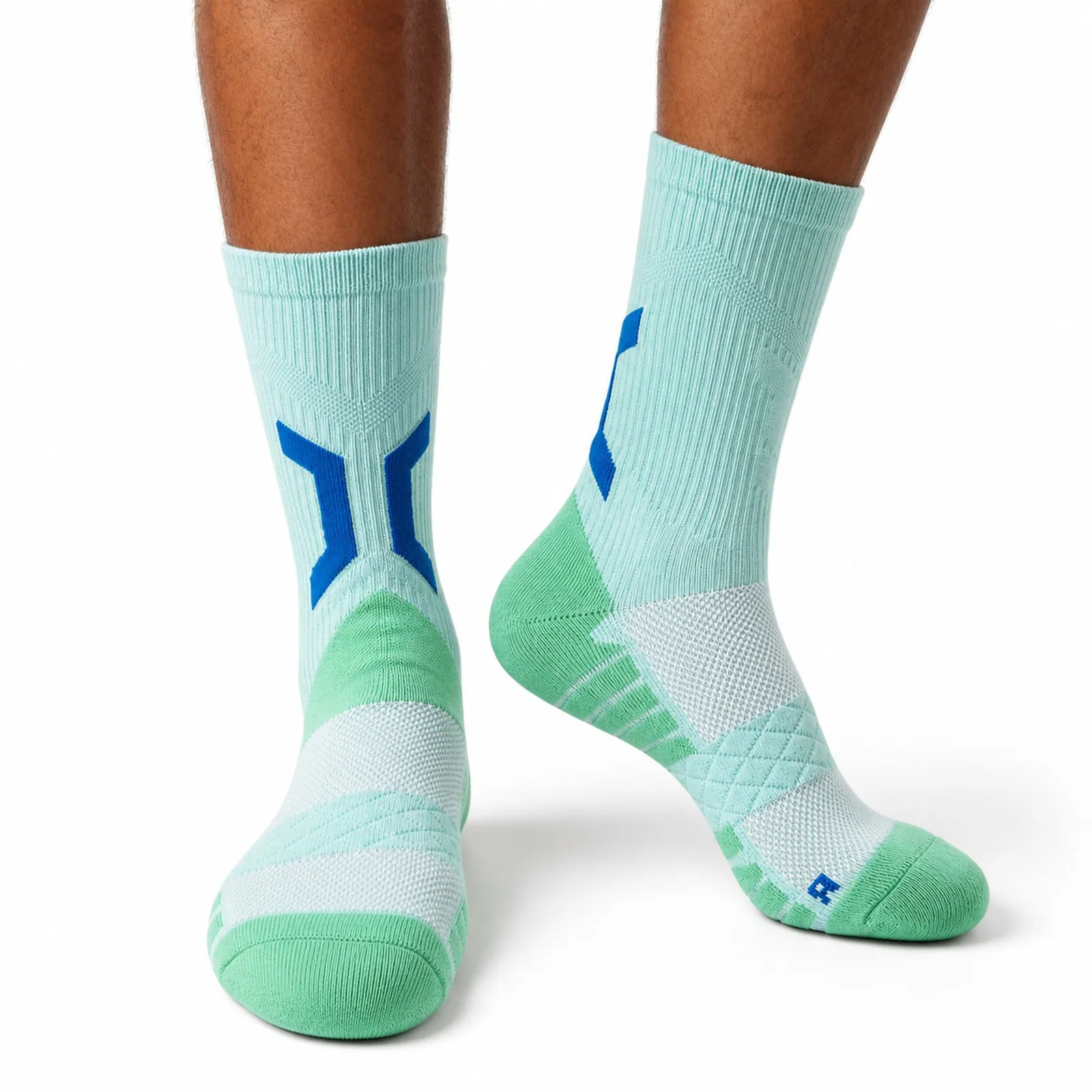
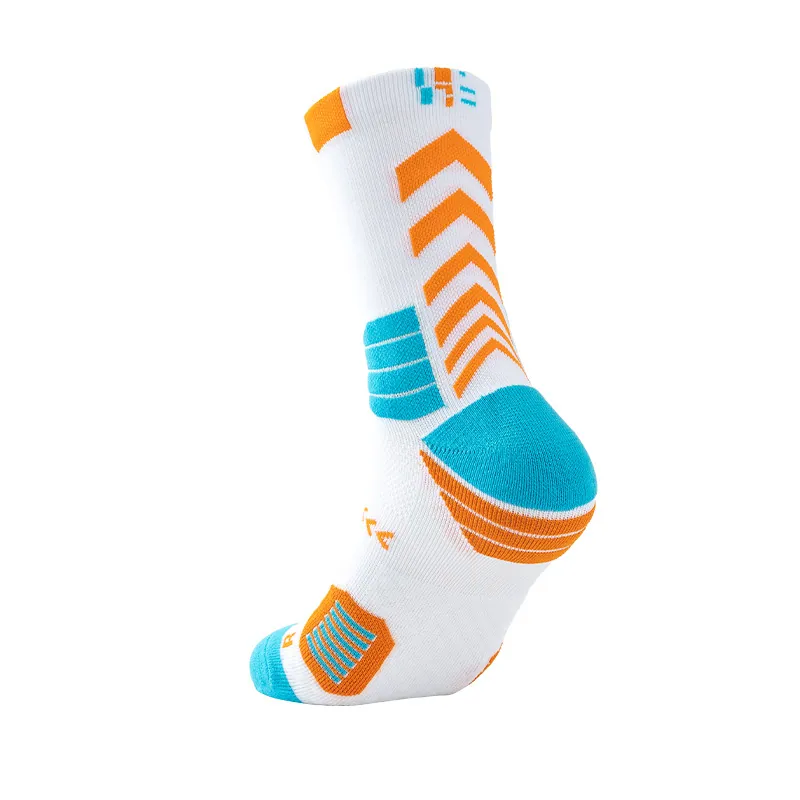
When the sock slips, the skin and fabric move at different speeds. A secure heel pocket and balanced stretch help the sock move with the foot instead of against it.
- Heel shape that stays centered
- Stretch that hugs without squeezing
- Arch support that limits twisting
Keep the toe area smooth
The toe box is where small seams and fabric folds become noticeable fast. A smoother toe feel can make long walking, jumping, and training sessions much easier on the skin.
Match thickness to shoe volume
A cushioned sock can help, but only if the shoe has room for it. If the shoe already fits closely, a thinner performance knit may reduce pressure better than extra padding.